
Repairing the spinal cord: how a unique cell therapy is moving into clinical trials
By Professor James St John, Griffith University
Head of the Clem Jones Centre for Neurobiology and Stem Cell Research within the Institute for Biomedicine and Glycomics.
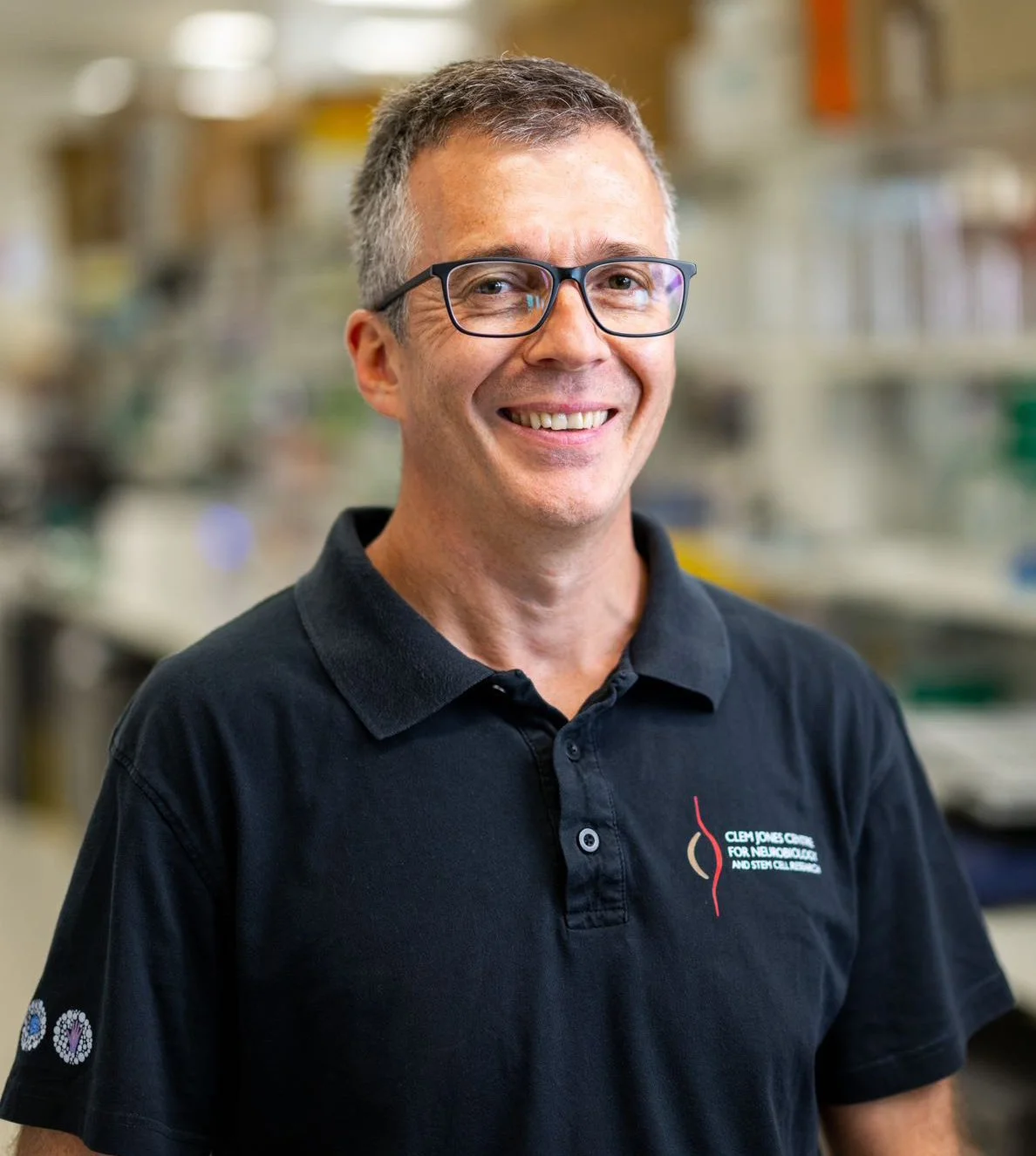
At Griffith University in Queensland, the Spinal Injury Project team is working to create and deliver a cell transplantation therapy to repair spinal cord injury.
The therapy uses specialised cells, called olfactory ensheathing cells (OECs) that are transplanted directly into the injury site to stimulate repair and regeneration. This therapy is now being tested in a Phase I clinical trial here in Australia.
Why Olfactory Cells?
OECs are specialised support cells found in the olfactory system, the part of the nervous system responsible for our sense of smell. Unlike most nerves in the body, olfactory nerves continually regenerate throughout life, and OECs play a crucial role in enabling that process. Researchers have long been interested in whether these regenerative cells could help repair the injured spinal cord.
Over the past few decades years, OECs have been studied in laboratories and clinical settings around the world, with promising but sometimes inconsistent results. The Griffith University team has focused on solving some of the key issues that limited earlier approaches.
A Different Approach to Cell Transplantation
The Spinal Injury Project is part of the Clem Jones Centre for Neurobiology and Stem Cell Research. This Centre is led by Professor James St John and has over 35 researchers who use targeted translational research to create therapies to treat injuries and diseases of the nervous system.
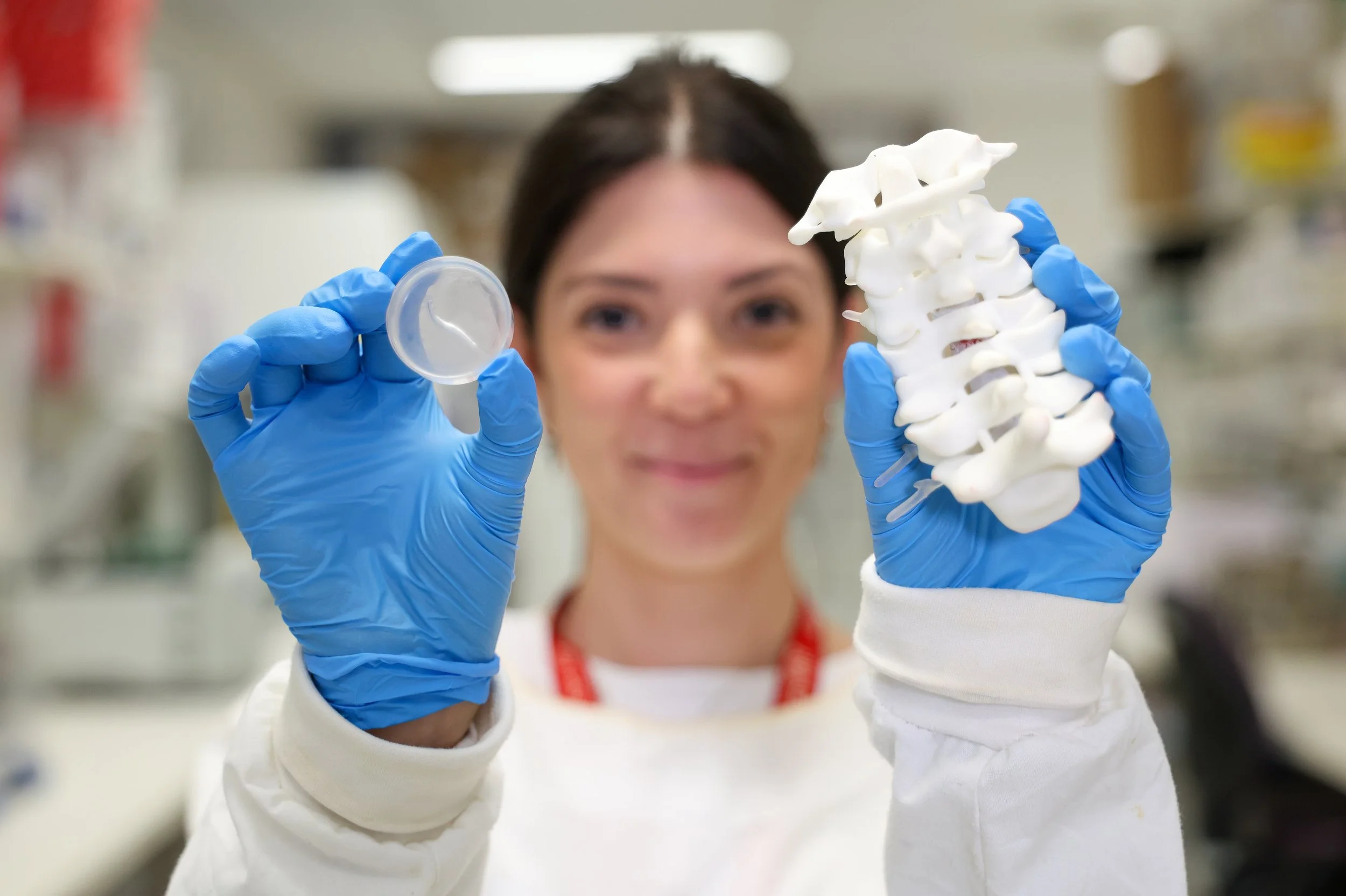
Rather than injecting cells into the injury site, they have developed a unique technology that forms OECs into living three-dimensional nerve bridges. These bridges are made entirely of cells, with no artificial scaffolds or gels. The structure allows the cells to establish stable connections before transplantation and makes the nerve bridges easier for surgeons to handle and implant.
The goal is to create a permissive biological bridge across the injury site that supports nerve regeneration, reduces harmful inflammation, and encourages the growth of damaged nerve pathways.
From the Laboratory to Patients
The OEC nerve bridge technology is the result of many years of research by a multidisciplinary team of scientists, clinicians and rehabilitation specialists. In preclinical studies, transplantation of the nerve bridges led to improvements in motor, sensory and autonomic function following spinal cord injury. These encouraging findings provided the foundation for advancing to human clinical testing.
Today, the therapy is being evaluated in a Phase I clinical trial that focuses on safety and feasibility. Participants receive their own OECs, obtained through a minimally invasive nasal biopsy, which are then expanded, purified and manufactured into personalised nerve bridges for transplantation.
More Than Surgery: Rehabilitation Matters
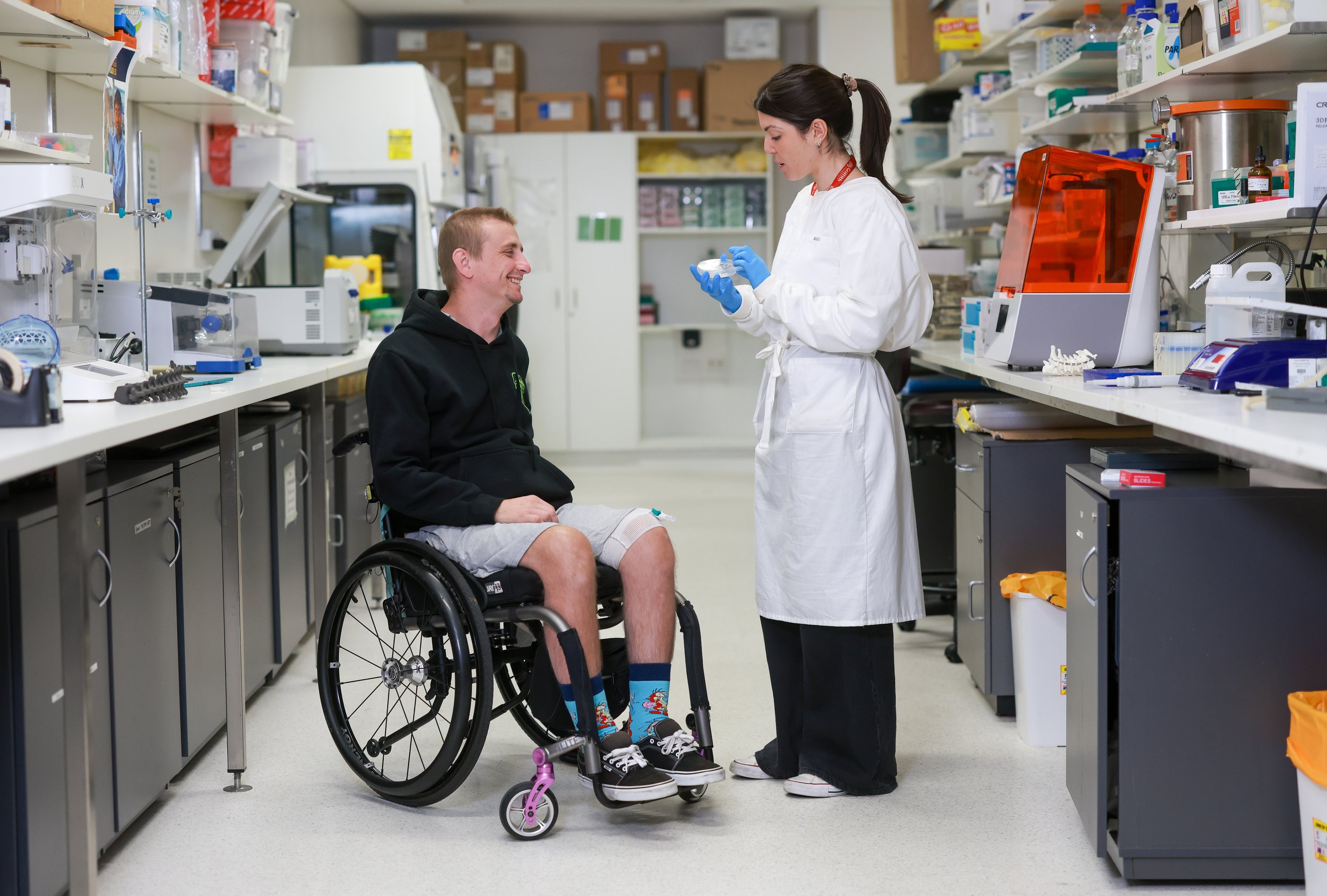
A key feature of the trial is that the cell therapy is combined with intensive rehabilitation. Participants complete a structured rehabilitation program before and after transplantation to maximise the body's readiness for treatment and to harness neuroplasticity, the nervous system's ability to adapt and reorganise.
The trial has also been developed in partnership with the spinal cord injury community. Through extensive consultation and co-design, people living with spinal cord injury have helped shape the study and ensure that it addresses real-world needs and priorities.
Looking Ahead
While it is still early days, this clinical trial represents an important milestone in the journey toward regenerative treatments for spinal cord injury. The objective is not only to establish the safety of the therapy but also to lay the groundwork for larger studies that could ultimately bring effective repair strategies to people living with paralysis.
Keen To Be Involved?
The clinical trial is open for recruitment. For more information and to submit an expression of interest see here.