
Occupational therapy and adaptive sport: supporting participation and performance
Estara’s Clinical Lead, Lloyd Townsend, shares the important role occupational therapy can play in adaptive sport, and how working with an occupational therapist can help you find the right equipment, improve your performance and participate safely and confidently in the sports you enjoy.
Sport can play an important role in recreation, rehabilitation, social connection and high-performance competition. For people with disability, adaptive sport can provide opportunities to participate in sport in a way that works for their individual abilities and goals.
Adaptive sport involves modifications to a sport to support inclusive participation. These adaptations may involve the rules, facilities or equipment used, helping people participate at recreational, social, rehabilitation or high-performance levels.
For many people, sport is also a meaningful occupation – contributing to participation in the community, independence and personal identity. This is where occupational therapy can play an important role.
How can an occupational therapist support adaptive sport?
Occupational therapists work with individuals to improve or enable participation in activities that are meaningful to them. When sport is one of those activities, an occupational therapist can help explore adaptive sporting opportunities and identify modifications that may make participation possible.
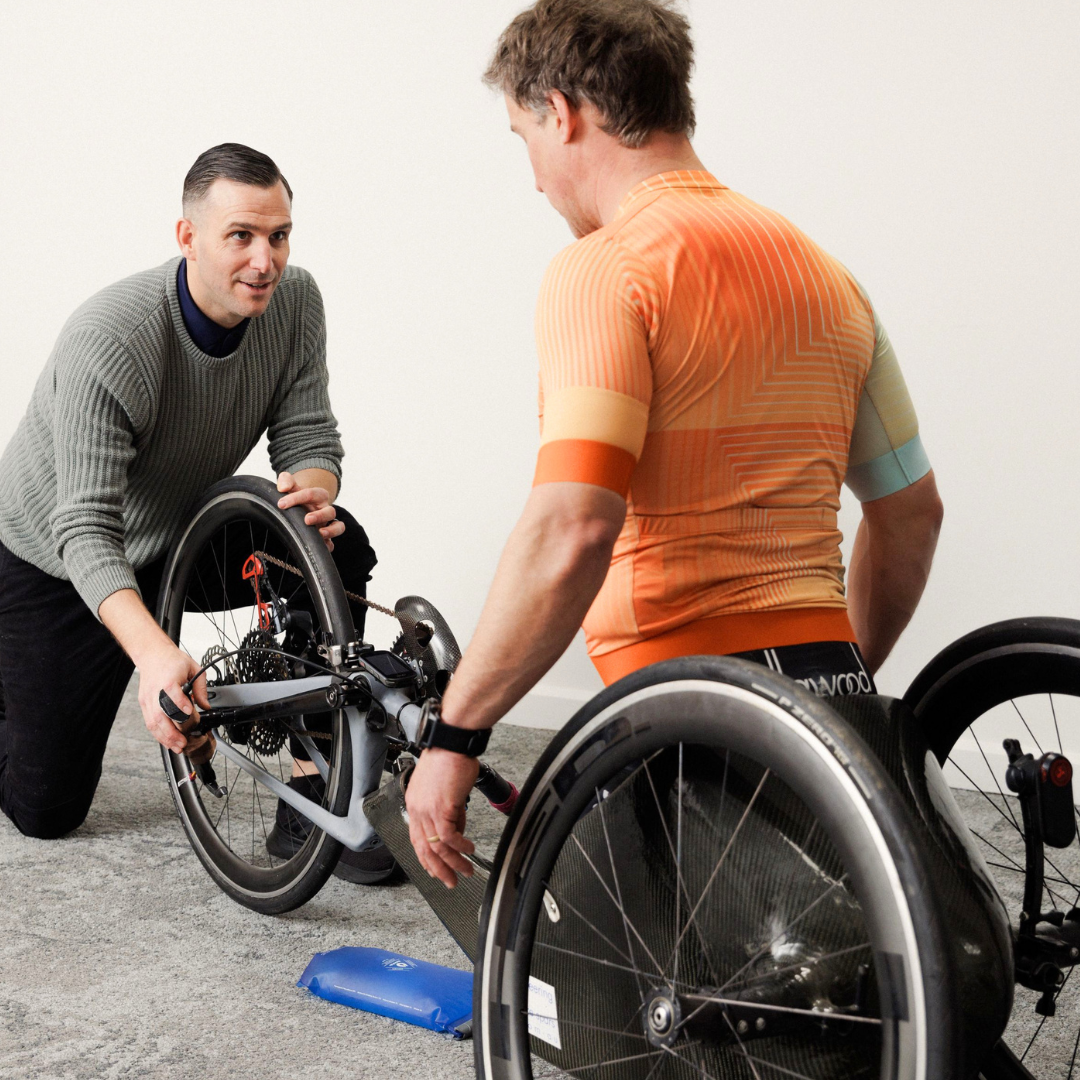
This can include selecting, fitting and using adaptive sporting equipment to help maximise safety, independence and performance.
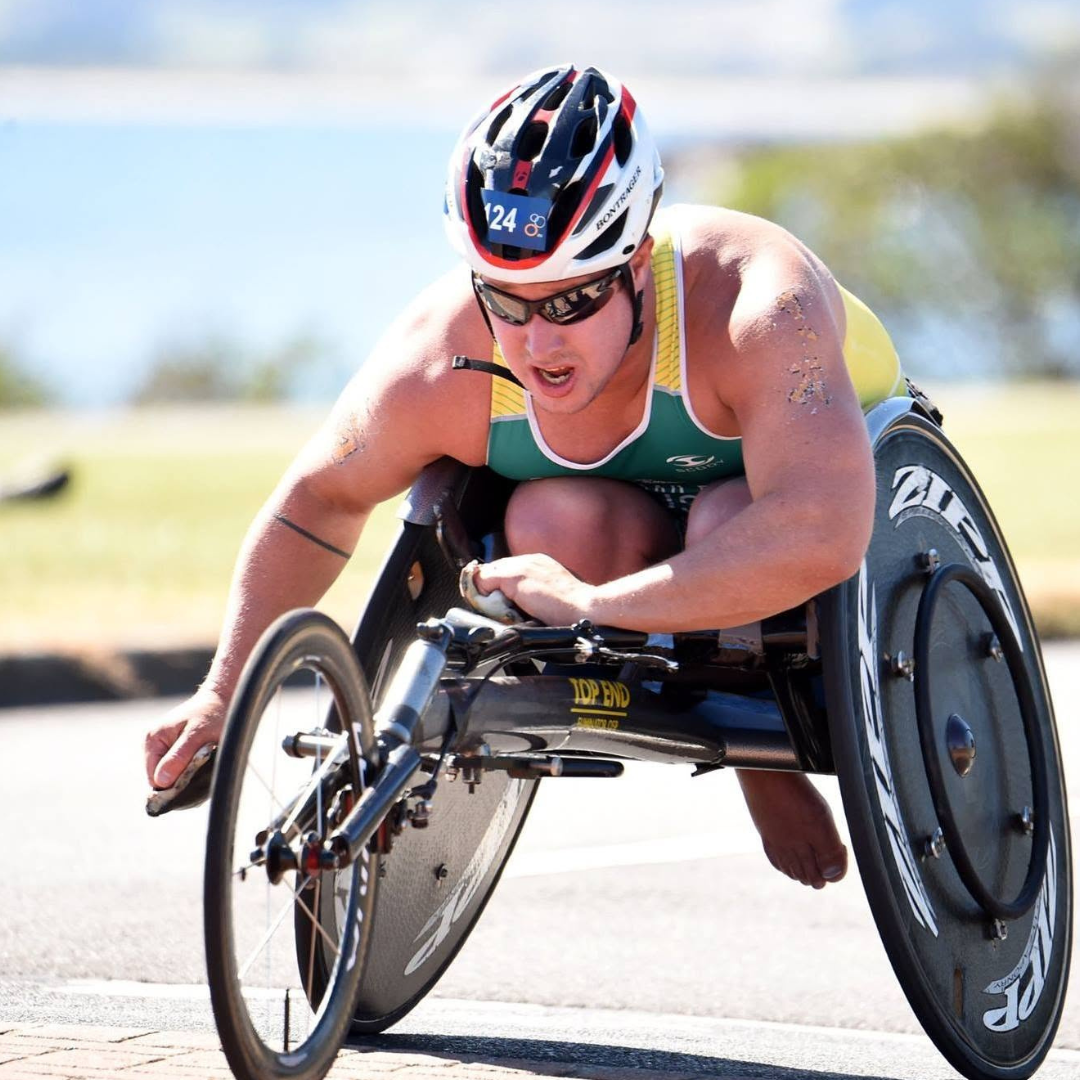
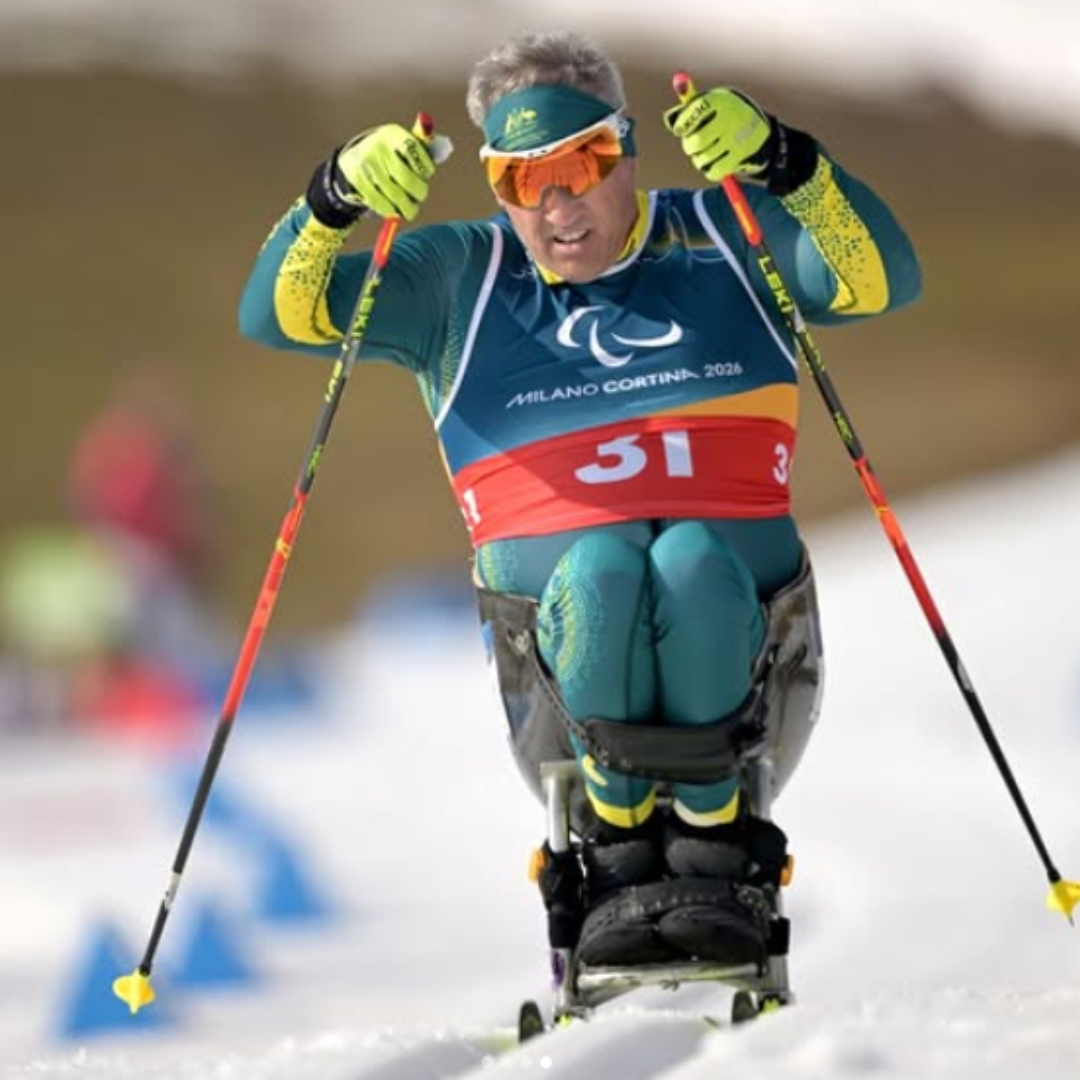
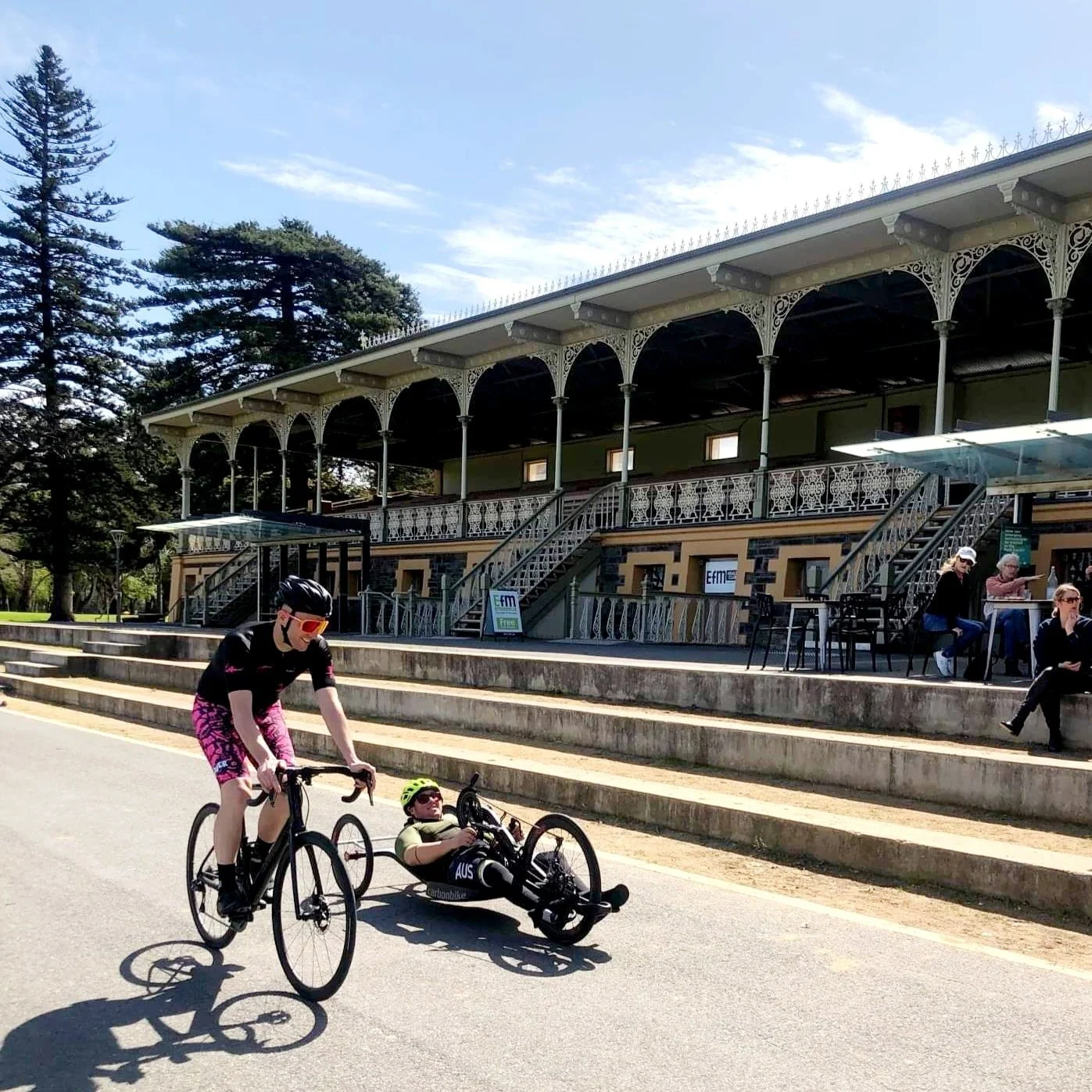
The support provided will depend on the individual, their goals, and can apply across many different sports, such as tennis, rugby, basketball, SANFL, handcycling, skiing and more.
An occupational therapist will work through the following with the individual:
Assessment and equipment prescription
Functional evaluation: They will assess an individual's strength, balance, coordination and range of motion.
Sports analysis: They will also consider the specific physical demands of their chosen sport.
Custom adaptive sporting equipment: For specialised equipment, they can assist with measurements and prescription, considering factors such as seated width and depth, backrest height and positioning to support optimal agility and effective power transfer.
Rules and regulation: They will work with you to ensure equipment is competition ready.
Seating, posture and injury prevention
Correct positioning is particularly important when using adaptive sporting equipment.
Postural stability: An occupational therapist can configure seating angles, strapping and positioning supports to help keep an athlete secure during movement.
Pressure care: They will also assess weight distribution to reduce areas of high pressure and help lower the risk of skin breakdown during intense activity.
Injury prevention: Proper alignment can also help protect joints, manage pain and fatigue and reduce the risk of injury.
Training and integration
Occupational therapy support doesn't necessarily end once the equipment has been prescribed.
Skills training, maintenance and education: An occupational therapist can help an individual learn how to safely transfer in and out of specialised sporting equipment, as well as how to adjust, clean and maintain it.
Collaborative support: They may also work alongside coaches, families and equipment suppliers to make sure the equipment continues to support the individual's longer-term sporting and personal goals.
Supporting participation at every level
Whether someone wants to try a new recreational activity, participate socially or compete at a high-performance level, occupational therapy can help make sport more accessible.
Through assistive technology and adaptive sporting equipment, health promotion and support for social inclusion, occupational therapists can help people with disability participate in sport in a way that is safe, meaningful and suited to their individual goals.
Get in contact with an occupational therapist at Estara today.
Ready to explore what’s possible? Estara’s Wheelchair Community Sports SA hub brings together a huge range of wheelchair and adaptive sporting opportunities across South Australia. Browse different sports, discover sporting equipment, find upcoming come-and-try events and explore other opportunities to help you get involved. Whether you’re looking to try something new, get active socially or take your sport further, it’s a great place to start.